

Mengapa Slot Online Semakin Populer di Kalangan Pemain?
Mengapa Slot Online Semakin Populer di Kalangan Pemain? merupakan judul dari sebuah artikel kami kali ini. Kami ucapkan Selamat datang di uvasci.org, Menelisik Dunia Judi Online, Satu Kisah dan Analisis di Waktu. Pada kesempatan kali ini, kami masih bersemangat untuk membahas soal Mengapa Slot Online Semakin Populer di Kalangan Pemain?
Pendahuluan
Slot online telah menjadi salah satu permainan judi yang paling populer di dunia daring. Fenomena ini tidak hanya terjadi pada satu jenis pemain, tetapi menyebar luas di kalangan penjudi dari berbagai lapisan masyarakat. Apa yang membuat slot online semakin diminati? Mari kita telaah beberapa alasan yang mungkin mendasarinya.

Kemudahan Akses
Salah satu alasan utama mengapa slot online semakin populer adalah karena kemudahan akses yang ditawarkannya. Pemain tidak perlu lagi pergi ke kasino fisik untuk menikmati permainan favorit mereka. Mereka dapat mengakses slot online kapan pun dan di mana pun mereka berada, asalkan terhubung ke internet. Ini membuatnya sangat nyaman bagi para pemain yang sibuk dengan jadwal harian mereka.
Ragam Permainan
Slot online menawarkan berbagai pilihan permainan yang tidak akan pernah ditemukan di kasino fisik. Dari tema yang beragam hingga fitur-fitur inovatif, pemain memiliki banyak opsi untuk dipilih sesuai dengan preferensi mereka. Dari slot klasik hingga slot progresif yang menawarkan jackpot besar, ada sesuatu untuk setiap jenis pemain.

Bonus dan Promosi
Salah satu daya tarik utama dari slot online adalah bonus dan promosi yang sering ditawarkan oleh penyedia permainan. Mulai dari bonus selamat datang untuk pemain baru hingga program loyalitas yang menggiurkan untuk pemain setia, ada banyak insentif untuk terus bermain. Bonus-bonus ini dapat meningkatkan peluang menang dan memperpanjang waktu bermain pemain, menjadikannya lebih mengasyikkan.
Grafis dan Animasi yang Menarik
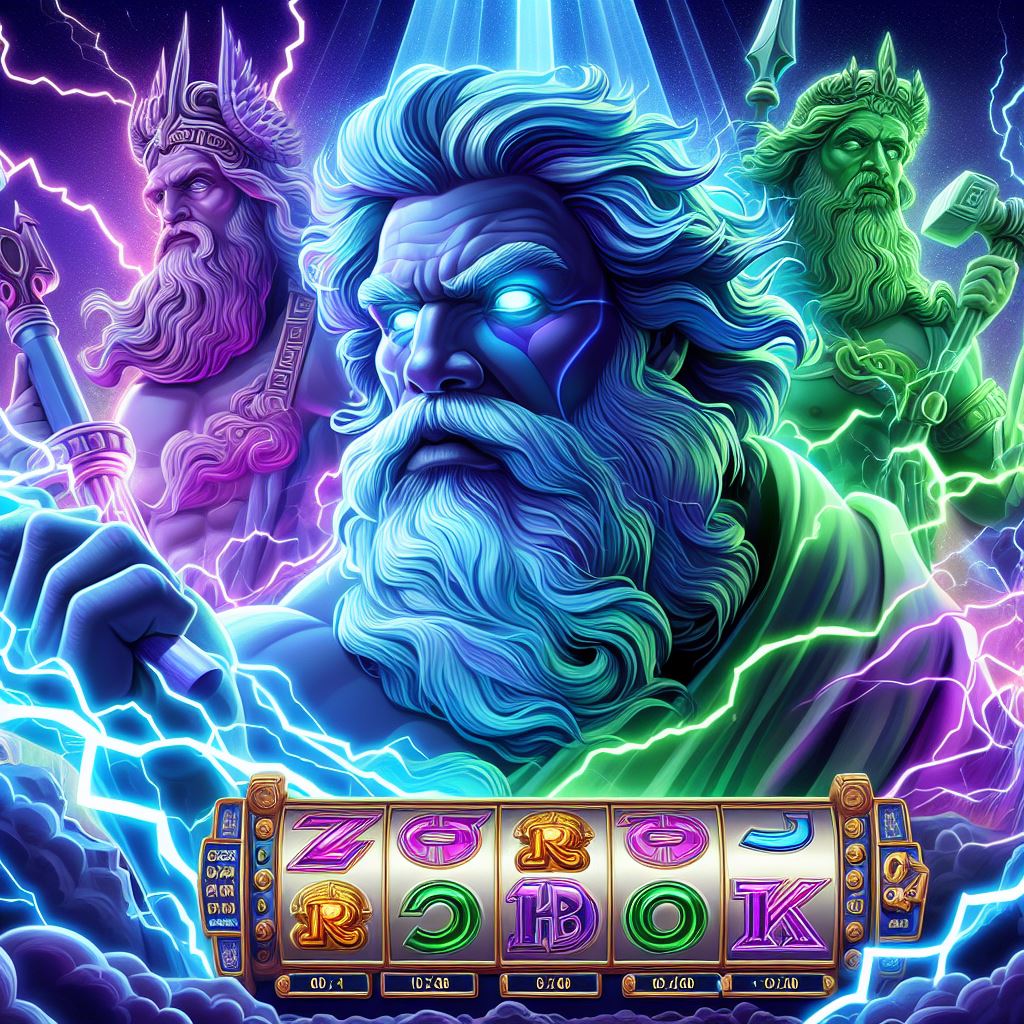
Slot online sering kali menampilkan grafis yang memukau dan animasi yang menghibur. Pengembang perangkat lunak terus berusaha untuk meningkatkan pengalaman visual pemain dengan menghadirkan grafis yang semakin realistis dan detail. Ini tidak hanya menambah kesenangan visual dalam bermain, tetapi juga menciptakan atmosfer yang lebih mendalam dan imersif.

Fleksibilitas Taruhan
Slot online memungkinkan pemain untuk bertaruh dengan jumlah yang sangat fleksibel. Dari taruhan yang sangat rendah hingga taruhan yang tinggi, pemain memiliki kendali penuh atas seberapa banyak yang ingin mereka pertaruhkan dalam setiap putaran. Ini membuat slot online cocok untuk berbagai jenis pemain, baik yang memiliki anggaran besar maupun kecil.
Inovasi Teknologi
Perkembangan teknologi juga telah berkontribusi pada popularitas slot online. Dengan kemajuan dalam teknologi perangkat lunak dan perangkat keras, pengembang permainan dapat menciptakan pengalaman bermain yang lebih interaktif dan seru. Dari fitur-fitur seperti tampilan 3D hingga integrasi dengan realitas virtual, slot online terus menghadirkan inovasi yang menarik bagi para pemain.
Kesimpulan
Dengan begitu banyaknya keuntungan dan fitur menarik yang ditawarkan, tidak mengherankan bahwa slot online semakin populer di kalangan pemain judi daring. Namun, penting bagi para pemain untuk tetap bertanggung jawab dalam berjudi dan tidak melampaui batas kemampuan keuangan mereka.